
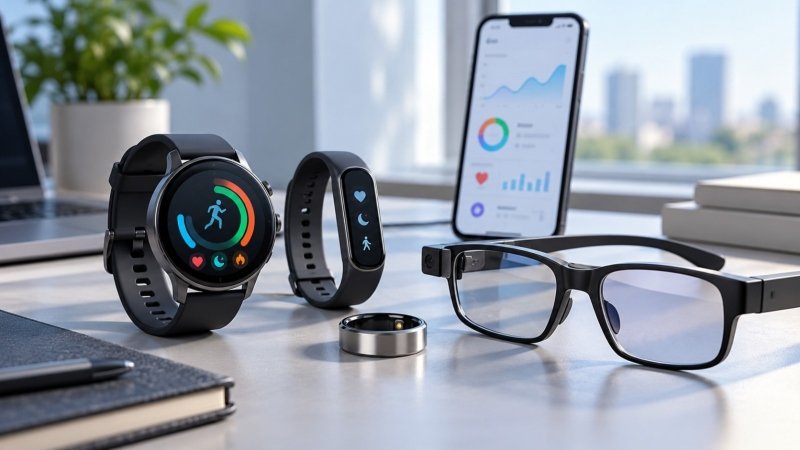
Wearable technology has become a regular part of modern life. People use smartwatches to check their daily activity, fitness bands to monitor workouts, and smart rings to understand their sleeping habits. Smart glasses are also gaining attention because they offer new ways to access digital information without constantly looking at a phone. These developments show how wearable devices are moving beyond simple gadgets and becoming useful tools for everyday activities.
The growing interest in wearables feedworldtech reflects this wider change in technology. Instead of focusing on one type of device, it is now important to understand how different wearables work, what benefits they offer, and which challenges still need attention. From health tracking to artificial intelligence, several trends are shaping the future of this industry.
How Wearable Technology Has Changed Over Time
Early wearable devices mainly focused on basic tasks, such as counting steps, displaying notifications, or measuring heart rate. Although these features were useful, their capabilities were relatively limited. Modern wearables offer a much broader range of functions and can collect information throughout the day.
Today’s devices may track sleep patterns, estimate energy expenditure, monitor activity levels, and help users review their daily routines. Some products also include features designed to identify unusual heart rhythms or provide alerts related to specific health concerns.
This progress has made wearable technology more practical for people with different needs. However, additional features do not automatically make a device more accurate or reliable. Consumers still need to understand what a product can measure and where its limitations begin.
Smartwatches Are Becoming More Useful
Smartwatches continue to play an important role in the wearable technology market. They combine familiar smartphone functions with activity tracking, allowing users to check messages, manage calls, follow exercise sessions, and review health-related information from their wrists.
Many newer models include sleep tracking, heart rate monitoring, blood oxygen estimates, and selected heart rhythm features. Depending on the device, users may also receive reminders to move, exercise, or maintain a consistent sleeping schedule.
For people who want to improve their daily habits, these features can make useful information easier to access. A person who regularly reviews activity levels may notice that they spend too much time sitting or that their sleep schedule changes frequently.
Still, smartwatches have limitations. Readings can be affected by movement, sensor placement, device fit, and other factors. Health features also differ between manufacturers and models. Users should consult qualified healthcare professionals about concerning symptoms rather than relying entirely on a smartwatch.
Fitness Trackers and Smart Rings Offer More Choice
Not everyone wants a large screen on their wrist. This is one reason fitness bands and smart rings have attracted interest among people who prefer smaller and less noticeable devices.
Fitness trackers generally focus on movement, exercise, and daily activity. Smart rings offer another option for people interested in sleep monitoring, recovery estimates, and selected wellness measurements without wearing a traditional watch.
Some devices can automatically recognize common activities, reducing the need to enter every workout manually. Their software may also combine sleep duration, resting heart rate, and activity information to provide a general picture of recovery.
These insights can help users recognize patterns in their routines. For example, someone might notice that late-night screen use often coincides with shorter sleep or that intense workouts leave them feeling tired the following day.
However, recovery scores are estimates rather than definitive measurements of physical readiness. They are best used alongside personal experience, comfort, and sensible exercise habits.
Artificial Intelligence Is Improving Wearable Features
Artificial intelligence is becoming an important part of wearable technology. Sensors collect information, but software is needed to interpret that information and turn it into something users can understand.
For example, a higher heart rate may result from exercise, emotional stress, poor sleep, or other circumstances. A sensor can record the change, while software attempts to interpret it using available measurements and patterns.
AI-powered systems can also help classify activities, identify changes in routine, and make personalized suggestions. As these systems improve, wearable devices may become better at providing relevant information instead of presenting users with endless numbers and charts.
This development is an important subject within wearables feedworldtech because the value of a wearable depends on more than its physical design. Software quality, understandable recommendations, and reliable performance all influence the overall experience.
At the same time, AI-generated suggestions should not be treated as automatically correct. Users benefit most when recommendations are clear, reasonable, and supported by reliable information.
Smart Glasses and Immersive Wearables
Smart glasses are expanding the possibilities of wearable technology beyond fitness and health monitoring. Depending on the model, they may support voice commands, navigation assistance, notifications, photography, or other connected features.
Augmented reality technology can place digital information within a person’s view of the surrounding environment. This could be useful for directions, workplace instructions, learning activities, or hands-free access to selected information.
Virtual reality headsets are developing in a related direction. Better displays, improved tracking, and more comfortable designs are helping expand their potential applications in gaming, education, professional training, and remote collaboration.
Despite these opportunities, smart glasses and immersive headsets still face practical challenges. Battery life, comfort, cost, and ease of use can affect adoption. Cameras and microphones also raise privacy concerns, particularly when people nearby do not know they may be recorded.
Privacy and Security Matter More Than Ever
Wearable devices can collect information that reveals personal routines and habits. Depending on the product and its settings, this information may include movement, sleep patterns, location, heart rate, and other measurements.
Such data deserves careful protection. Weak account security or unclear data-sharing practices can create unnecessary risks for users. Before buying a wearable, consumers should review its privacy settings, understand how information is stored, and check whether data can be shared with third-party services.
Using strong passwords, enabling available account protection features, and installing software updates are sensible precautions. Users should also check which applications have permission to access their information.
Manufacturers have a responsibility to explain their data practices clearly. Collecting more information should not become an excuse to overlook privacy or make personal data difficult to control.
Choosing the Right Wearable Device
The best wearable depends on what someone wants to achieve. A smartwatch may suit people who need notifications, exercise tracking, and everyday convenience. A fitness band may be preferable for basic activity monitoring, while a smart ring could appeal to users who prioritize a compact design.
Anyone considering smart glasses or a VR headset should think about comfort, intended use, compatibility, and the environment in which the device will be used.
Battery life is another important factor. A device that needs frequent charging may become inconvenient, particularly for users who want to monitor their sleep as well as their daytime activity. It is also worth comparing subscription costs, supported applications, warranty terms, and the manufacturer’s update policy.
Rather than choosing a product simply because it has the most features, buyers should look for a device that fits their budget and daily routine.
What the Future Holds for Wearable Technology
Wearable technology is likely to continue developing through better sensors, more efficient batteries, improved software, and closer integration with other connected devices. Future products may offer more useful personalized insights while becoming smaller and easier to wear.
However, progress should not be measured only by the number of features a device includes. Accuracy, comfort, accessibility, security, and long-term usefulness will remain important factors.
The continuing discussion around wearables feedworldtech highlights a central point: wearable devices are most valuable when they solve real problems without creating unnecessary complexity. Technology should help people understand their routines and make informed decisions, not leave them confused by constant notifications or uncertain measurements.
Final Thoughts
Wearable technology has developed into a broad category that includes smartwatches, fitness trackers, smart rings, smart glasses, and virtual reality headsets. Each type serves different purposes, giving consumers more ways to connect digital tools with everyday life.
Artificial intelligence and improved sensors are creating new opportunities, but privacy and reliability still deserve serious attention. Understanding these strengths and limitations can help users make better purchasing decisions.
As the industry continues to evolve, the most successful wearables will likely be those that combine practical features with comfortable designs, transparent data policies, and dependable performance. For anyone following the latest developments through wearables feedworldtech, these are the trends worth watching.
For more insights into the latest technology trends and digital innovations, visit FeedWorldTechs for more updates.
