
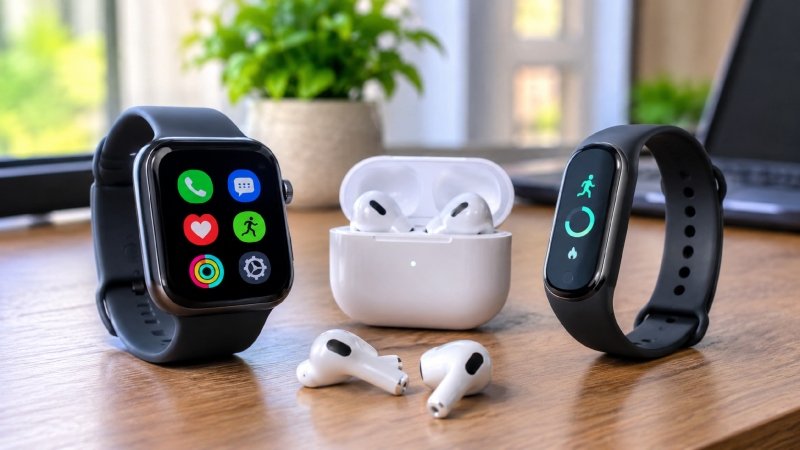
Technology is changing the way people manage their daily activities, and wearable devices are becoming an important part of modern life. From smartwatches and fitness bands to smart rings and wireless earbuds, these gadgets offer features that were difficult to imagine a few years ago. The topic of Wearable Upgrade FeedWorldTech highlights how new improvements are making wearable technology more useful, comfortable, and practical.
People now expect more from wearable devices than simply checking the time or counting steps. They want better health tracking, longer battery life, easy connectivity, and features that fit naturally into their routines. These changes are also encouraging manufacturers to develop products that offer more value without making them complicated to use.
What Is Changing in Wearable Technology?
Wearable technology has moved beyond basic fitness tracking. Modern devices can collect different types of information, connect with smartphones, and help users understand their everyday habits.
Smartwatches, for example, can monitor heart rate, record workouts, track sleep, and display notifications. Some models also include GPS, emergency features, and health-related alerts.
Fitness bands remain popular among people who prefer smaller and simpler devices. Smart rings are another interesting option because they can track certain health and activity measurements without requiring users to wear a watch.
These developments show that wearable technology is becoming more diverse. People can choose devices according to their needs instead of relying on one type of gadget.
Better Health and Fitness Tracking
Health monitoring is one of the main reasons people purchase wearable devices. Earlier fitness trackers mainly focused on counting steps and measuring basic activity. Newer models offer more detailed information about daily movement, heart rate, sleep patterns, and exercise performance.
Sleep tracking is particularly useful for people who want to understand their sleeping habits. A compatible device may show how long someone sleeps and provide estimates of different sleep stages. This information can help users notice patterns and make changes to their daily routines.
Fitness tracking has also improved. Many smartwatches offer workout modes for walking, running, cycling, swimming, and other activities. GPS support can record outdoor routes, while heart rate measurements provide additional information during exercise.
However, these devices should not replace professional medical advice. Their readings can be useful for general awareness, but not every measurement is suitable for making medical decisions.
Smartwatches Are Becoming More Useful
Smartwatches continue to be one of the most recognized types of wearable technology. Their popularity comes from the combination of everyday convenience and fitness features.
Modern watches can display messages, receive calls, control music, provide navigation, and connect with different smartphone applications. Some also support contactless payments, depending on the model and region.
Battery performance is another important area of improvement. Manufacturers are working to make devices last longer between charges. This matters because people who track their sleep and daily activity often prefer not to remove their watches every night.
Display quality, stronger materials, improved sensors, and smoother software also contribute to a better experience. Still, buyers should compare actual features rather than assuming that every newer model offers a major improvement.
The Growing Interest in Smart Rings
Smart rings are attracting attention because they offer another way to use wearable technology. Unlike traditional watches, these small devices are designed to fit around a finger and can collect selected health and activity information.
Many smart rings focus on sleep tracking, heart rate monitoring, skin temperature trends, and daily movement. Their small size makes them appealing to people who do not enjoy wearing a smartwatch throughout the day.
Another advantage is their simple design. Most smart rings do not have large displays, so users generally check their information through a connected mobile application.
However, size and comfort are important considerations. A ring should fit properly, and buyers should check battery life, compatibility, available features, and subscription costs before purchasing one.
How Artificial Intelligence Is Improving Wearables
Artificial intelligence is becoming an important part of wearable technology. Instead of only showing numbers, some devices and their companion applications can analyses collected information and present it in a more understandable way.
For example, an application may compare recent activity with previous days and highlight changes in sleep or exercise patterns. Some fitness platforms also use personal data to provide training suggestions and recovery insights.
This makes information easier to understand for people who do not have technical knowledge. Rather than checking several separate measurements, users can get a clearer picture of their everyday habits.
Privacy should remain a priority, though. Wearable devices collect personal information, so users should review application permissions, account security, and data-sharing settings before using advanced features.
Smart Glasses and Connected Accessories
Smart glasses are another interesting development in this market. These devices can combine traditional eyewear with technology such as cameras, speakers, microphones, and AI-based assistance.
Depending on the model, users may be able to listen to audio, capture pictures, receive notifications, or interact with a digital assistant. Some products are designed for entertainment, while others focus on communication and everyday convenience.
Wireless earbuds are also receiving improvements. Better sound quality, noise cancellation, longer battery performance, and stronger smartphone connections are making them more useful. Some newer products also include additional health and fitness-related sensors.
These developments show that wearable technology is no longer limited to watches and fitness bands.
Is Upgrading Your Wearable Device Worth It?
Buying a newer wearable device is not always necessary. If an existing smartwatch or fitness band works properly, has reliable battery performance, and supports the features someone needs, keeping it may be the better decision.
An upgrade makes more sense when the older device has battery problems, limited software support, poor tracking performance, or lacks an important feature.
Before spending money, buyers should consider a few things:
- Battery life: Check how often the device needs charging.
- Compatibility: Make sure it works with your smartphone.
- Comfort: Choose a design suitable for everyday use.
- Useful features: Focus on functions you will actually use.
- Price: Compare the cost with the improvements offered.
- Privacy: Understand how personal information is collected and stored.
Taking time to compare these points can prevent unnecessary purchases.
Final Thoughts
Wearable technology is moving towards smarter health tracking, improved connectivity, comfortable designs, and more personalized digital experiences. Smartwatches, fitness bands, smart rings, glasses, and wireless earbuds are all contributing to this change.
Wearable Upgrade FeedWorldTech is a useful topic for exploring these developments and understanding what modern wearable devices can offer. The best upgrade is not necessarily the newest or most expensive product. It is the one that provides practical features, works reliably, and makes everyday life a little easier.
For more insights into the latest technology trends and digital innovations, visit FeedWorldTechs for more updates.
